
Introduction to Vegetable Pancakes
Vegetable pancakes, or yachaejeon, are a delightful blend of taste and nutrition, making them the perfect option for young professionals balancing busy lives with healthy eating. Packed with a variety of fresh vegetables, they not only satisfy your taste buds but also serve as a smart way to sneak in those essential nutrients. Whether you’re tackling a packed workweek or enjoying a leisurely weekend brunch, these pancakes make for a quick and enjoyable meal.
Why Vegetable Pancakes are the Perfect Option for Young Professionals
For those on-the-go, vegetable pancakes offer unparalleled convenience. They are:
- Quick to Prepare: You can whip them up within 30 minutes, perfect for busy mornings or impromptu dinners.
- Highly Customizable: Use whatever vegetables you have on hand, whether it’s zucchini, spinach, or sweet potatoes. It’s a fantastic way to minimize food waste while keeping your meals vibrant and interesting.
- Nutritious and Filling: With ingredients like fresh herbs and veggies, they pack a healthy punch. According to the USDA, incorporating vegetables into your meals can greatly enhance your overall well-being.
Plus, they can be enjoyed solo or paired with a tasty dipping sauce, making them versatile for any occasion. Check out this guide for more on the benefits of vegetables. From a practical standpoint, vegetable pancakes are a satisfying solution to all your culinary needs!
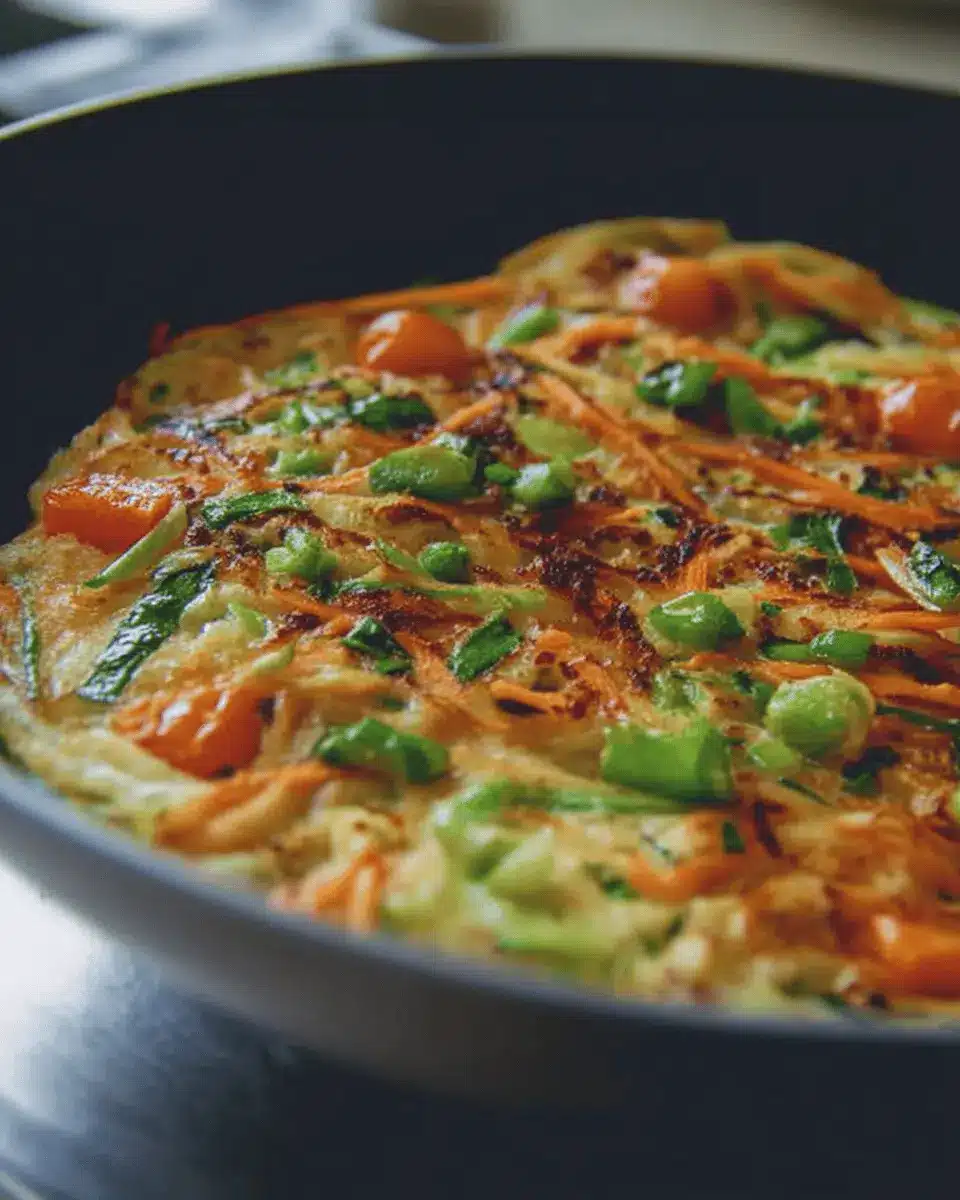
Ingredients for Vegetable Pancakes
Essential ingredients for yachaejeon
Creating the perfect vegetable pancake requires a selection of fresh, vibrant ingredients. Here's a list of what's essential for making delightful yachaejeon:
- About 2½ to 3 cups of sliced vegetables (your choice!)
- 4 green onions, cut into 1-inch pieces
- ⅓ cup leek, sliced thinly (optional)
- 3 ounces zucchini, cut into matchsticks
- 1 green chili pepper (or jalapeño), sliced (optional for some heat)
- 3 ounces onion, sliced
- ⅓ cup sweet potato, diced
- 1 fresh mushroom (try white, baby portobello, or shiitake)
For the batter, you’ll need:
- ¾ cup all-purpose flour
- ½ teaspoon kosher salt
- ¾ cup water
- Vegetable oil for frying
Optional ingredients for extra flavor
Want to jazz up your yachaejeon a bit more? Consider these optional ingredients to amp up the flavor profile:
- Fresh perilla leaves (kkaenip) for a unique herbal note
- Asian chives (buchu) to add a mild onion flavor
- A splash of soy sauce or a sprinkle of sesame seeds in the batter for extra depth
Using a mix of ingredients from both categories allows you to tailor your vegetable pancake to your taste while celebrating the freshness of spring. For more insights on cooking techniques, you can explore resources like the Korean Food Foundation. Happy cooking!
Preparing Vegetable Pancakes
Making vegetable pancakes is not just a recipe; it’s an experience steeped in family tradition and creativity. Follow these simple steps, and you'll have a delicious dish that's perfect for any occasion.
Gather and prepare your vegetables
To kickstart your vegetable pancake experience, you'll want to choose the freshest veggies available. Aim for a colorful mix to make your pancakes not just tasty but visually appealing. Here’s what you'll need to gather:
- 4 green onions, cut into 1-inch pieces
- ⅓ cup leeks (optional), thinly sliced
- 3 ounces of zucchini, cut into matchsticks (about ½ cup)
- 1 green chili pepper (or jalapeño), sliced (optional)
- 3 ounces of onion, sliced
- ⅓ cup sweet potato, grated or finely chopped
- 1 fresh mushroom (white, baby portobello, or shiitake), thinly sliced
Wash, peel, and chop or slice each vegetable. Don’t hesitate to explore other options like perilla leaves or Asian chives. These can add unique flavors and textures to your vegetable pancakes.
Mix the batter
Once your vegetables are prepped, it’s time to whip up the batter. In a large bowl, combine your sliced vegetables with:
- ¾ cup all-purpose flour
- ½ teaspoon kosher salt
- ¾ cup water
Stir everything together with a wooden spoon until the mixture is well-combined. The batter should be thick enough to hold the veggies together but still pourable. Adjust the thickness by adding more water or flour as needed.
Heat the skillet and add oil
Now that your batter is ready, let’s get cooking! Place a large non-stick skillet over medium-high heat. If you have a 12-inch skillet, this is the perfect time to use it for one big pancake. If not, don't worry—smaller pancakes work just as well.
Once the skillet is hot, add about 2 tablespoons of vegetable oil. Swirl it around to coat the skillet evenly; this will help create that desired crispiness.
Cook the pancake
Pour the batter into the hot skillet, spreading it out to form an even layer. Lower the heat to medium and place your sliced mushrooms on top. If you're feeling adventurous, press them in gently with a spatula.
Let the pancake cook for about 4 to 5 minutes, or until the bottom turns a crunchy light golden brown. To ensure even cooking, gently lift the skillet and give it a twirl—who knew cooking could be so interactive?
Flipping and final cooking touches
Once the bottom looks delicious, it’s time to flip! Carefully turn your pancake over, and increase the heat to medium-high. Add an extra tablespoon or two of oil around the edges. Lift one edge with your spatula, tilting the skillet so the oil flows underneath. This will keep the pancake from sticking.
Cook for another 3 to 4 minutes until both sides are golden brown. For a final touch, feel free to flip it one more time and let it cook for an additional 2 minutes.
Serve immediately with a delicious dipping sauce made of soy sauce, white vinegar, and optional chili flakes. Enjoy your homemade vegetable pancakes, a delightful way to celebrate freshness and flavor!
For additional tips, check out Maangchi’s recipe and take your cooking to the next level!
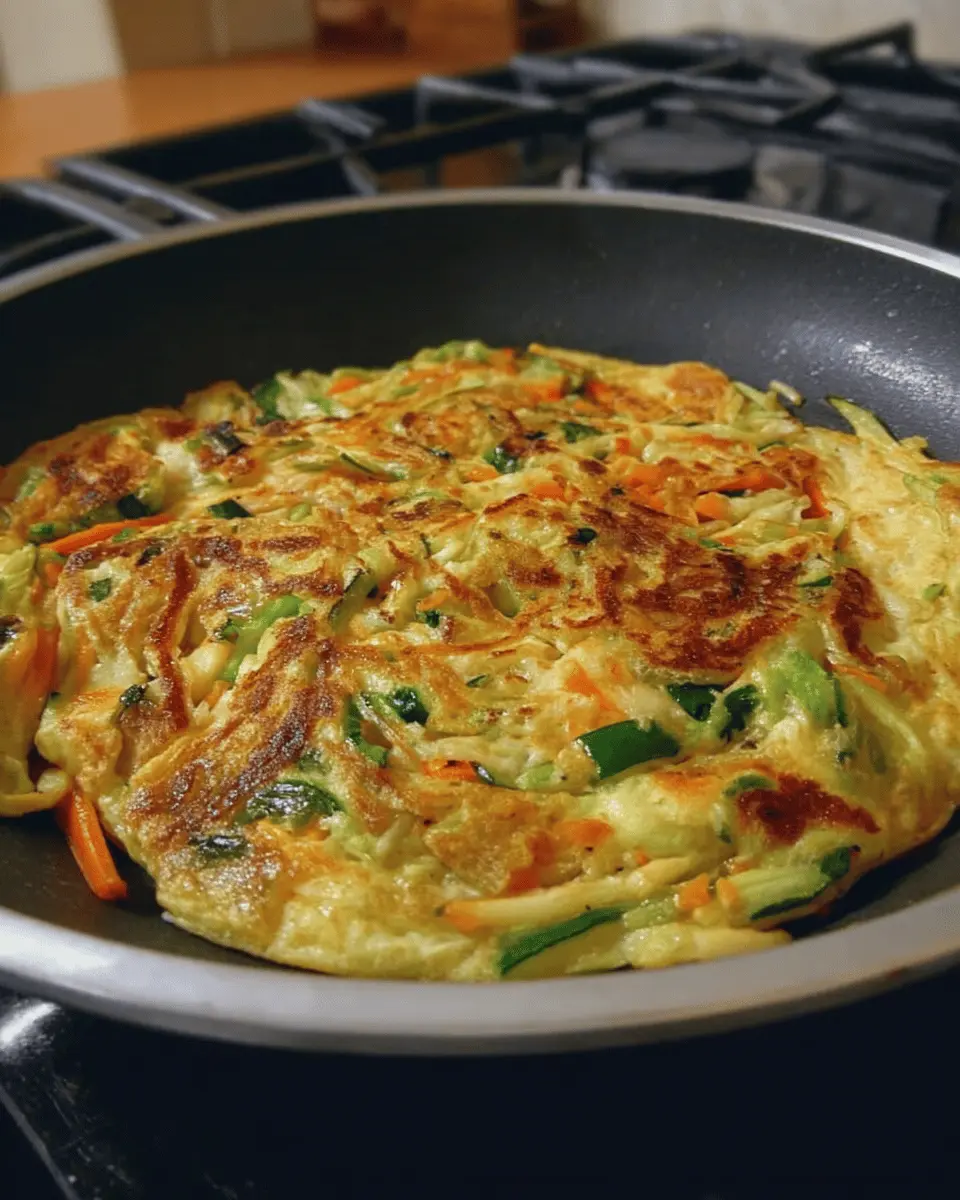
Variations on Vegetable Pancakes
Spicy Variations for Kick
If you like your vegetable pancakes with a punch, consider adding finely chopped jalapeños or a sprinkle of cayenne pepper to the batter. The heat not only elevates the flavor but also makes the pancake a fun dish for dinner parties. You can experiment with other spices like cumin or smoked paprika to create exciting flavor profiles. For a zesty kick, try incorporating a bit of grated ginger or garlic into the mixture, bringing brightness with every bite!
Sweet Potato and Other Veggie Combos
Pairing sweet potatoes with other veggies can create a delightful twist on your classic vegetable pancake. Think of a mix with zucchini, bell peppers, or even shredded carrots. The natural sweetness of the sweet potatoes will balance beautifully with more savory vegetables. Feel free to swap in seasonal produce or whatever you have on hand; asparagus or broccoli can add a lovely crunch too. Want to explore even more possibilities? Check out this guide on vegetable varieties that you can use in your pancake creations!
Cooking Tips and Notes for Vegetable Pancakes
Achieving the Right Crispiness
To make your vegetable pancakes perfectly crispy, start by ensuring your skillet is sufficiently hot before adding the batter. Use a non-stick skillet to prevent sticking and a generous amount of vegetable oil, about 2 tablespoons. Don’t overfill the pan, and avoid stirring the batter for too long; this will keep the texture light and airy.
Tips for Managing Pancake Sizes
For a uniform cooking experience, consider the size of your skillet. If using a smaller pan, make smaller vegetable pancakes to ensure even cooking. You can always work in batches! And remember, the key to that satisfying crunch is to keep the pancakes about ¼-inch thick, allowing them to cook evenly without burning.
For additional guidance, check out this helpful resource on pancake techniques.
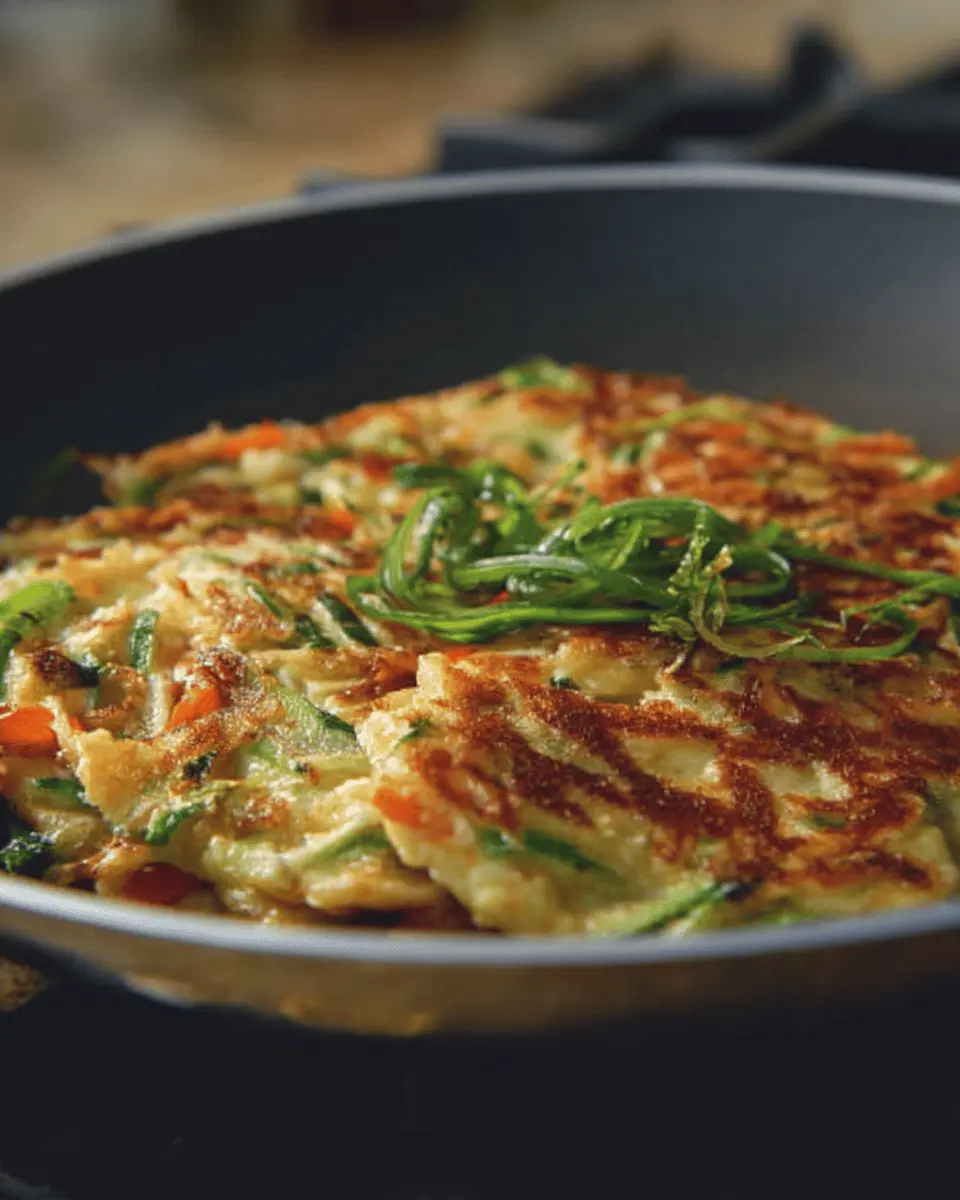
Serving suggestions for Vegetable Pancakes
Creative dipping sauce ideas
The right dipping sauce can elevate your vegetable pancake experience! Try a zesty blend of soy sauce, rice vinegar, and a sprinkle of sesame seeds for that perfect umami kick. Want a touch of spice? Mix in some gochugaru or chili flakes. For something different, consider a tangy yogurt sauce with herbs or a sweet chili sauce. These options not only complement the pancakes but also add a fun flavor twist!
Pairing with beverages for a complete meal
When it comes to beverages, why not go for a refreshing iced herbal tea or a fruity soda to balance the saltiness of the pancakes? If you're looking for a cozy choice, a hot cup of miso soup makes for a delightful pairing, enhancing the overall dish. Coffee lovers can enjoy a mild brew alongside for an energizing treat! These combinations make your vegetable pancake meal both satisfying and enjoyable.
Time Breakdown for Vegetable Pancakes
Preparation Time
Getting ready to make your delightful vegetable pancakes is quick and easy. You’ll need about 15 minutes to chop your veggies and whip up the batter.
Cooking Time
Once everything is prepped, cooking those pancakes takes around 10 to 15 minutes. Perfect for a quick meal!
Total Time
From start to finish, you’re looking at about 30 minutes to enjoy these crispy, flavorful pancakes. That's not too long for a delicious homemade dish, right?
For tips on sourcing fresh ingredients, check out This Resource on Seasonal Vegetables. Cooking fresh veggies is key to maximizing flavor in your yachaejeon!
Nutritional Facts for Vegetable Pancakes
Calories and Health Benefits
A serving of vegetable pancake typically contains around 150-200 calories depending on the ingredients used. Packed with fresh veggies, these pancakes are a guilt-free delight that can boost your energy levels and keep you feeling full. Rich in fiber, they promote digestive health and can help maintain a healthy weight.
Key Vitamins and Nutrients
These savory pancakes are not just delicious but also nutrient-dense. Here’s a quick overview of their key components:
- Vitamin A: Found in zucchini and sweet potatoes, important for eye health.
- Vitamin C: Present in green onions and chili peppers, aids in boosting immunity.
- Fiber: From a variety of vegetables, supports digestive health.
- Potassium: Important for heart health, comes from ingredients like zucchini and sweet potatoes.
Incorporating more vegetable-rich dishes like yachaejeon into your diet can contribute to overall well-being. For a deeper dive into the health benefits of vegetables, you might find this article from Harvard Health insightful!
These pancakes present a perfect opportunity to sneak in some greens while enjoying a tasty meal. Why not add a side of your favorite dipping sauce for an extra flavor kick? Enjoy!
FAQs about Vegetable Pancakes
Can I use frozen vegetables?
Absolutely! Frozen vegetables are a convenient option when fresh ones aren’t available. Just make sure to thaw and drain them well to avoid excess moisture that can make your vegetable pancake soggy. In fact, using a mix of fresh and frozen veggies can add unique flavors to your pancake!
How do I store leftovers?
If you have leftovers (which is rare, but it can happen!), store them in an airtight container in the refrigerator. They typically last for about 3 to 4 days. To reheat, just pop them in a skillet for a few minutes until they're warm and crispy. Alternatively, a toaster oven works well too!
What are some common mistakes to avoid?
When making your vegetable pancake, here are a few no-nos to keep in mind:
- Skipping the salt: It enhances the flavor of the vegetables.
- Not preheating the skillet: A hot pan ensures a perfect crispy crust.
- Overcrowding the pan: Make sure to give each pancake room to cook evenly.
For more tips on cooking and recipes, check out Serious Eats for expert advice!
Conclusion on Vegetable Pancakes
Making vegetable pancakes at home is a delightful way to celebrate seasonal ingredients while enjoying a healthy, flavorful meal. Not only are they quick to prepare, but you can customize them with your favorite veggies. Give this recipe a try and savor the taste of homemade goodness!
Why You Should Try Making Vegetable Pancakes at Home
Creating vegetable pancakes at home offers numerous benefits that make it an appealing choice for any young professional.
-
Healthy Eating: Packed with fresh vegetables, yachaejeon supports a balanced diet, providing essential nutrients while minimizing processed ingredients. According to the CDC, increasing vegetable intake can help reduce chronic diseases, making this dish a smart addition to your meals.
-
Customizable Options: One of the best parts of cooking at home is the ability to customize. Want to add more zucchini? Go for it! Prefer a spicier kick? Toss in an extra chili pepper! This flexibility allows you to create a pancake that perfectly fits your tastes.
-
Cultural Exploration: Trying your hand at making traditional dishes like yachaejeon not only expands your culinary repertoire but also connects you to the rich tapestry of global cuisines. You get a taste of Korean culture right in your kitchen!
-
Quick and Easy: Perfect for busy days, vegetable pancakes are surprisingly simple to whip up. With just a few minutes of prep and cook time, you can enjoy a homemade meal without spending hours in the kitchen.
Making your own vegetable pancakes is not only rewarding but also a delicious way to bring a little fun into your cooking routine. Why not gather some fresh vegetables and start your culinary adventure today? For additional inspiration, check out BBC Good Food's vegetable pancake variations for more ideas on how to make this dish uniquely yours!
Vegetable pancake
Equipment
- non-stick skillet
Ingredients
Vegetables
- 4 pieces green onions cut into 1 inch long
- ⅓ cup leek optional, sliced thinly
- 3 ounces zucchini matchsticks
- 1 piece green chili pepper optional, sliced
- 3 ounces onion sliced
- ⅓ cup sweet potato
- 1 piece fresh mushroom white, baby portobello, or shiitake
Pancake Batter
- ¾ cup all purpose flour
- ½ teaspoon kosher salt
- ¾ cup water
- 2 tablespoons vegetable oil for cooking
Dipping Sauce
- 1 tablespoon soy sauce
- 2 teaspoons white vinegar
- 1 teaspoon Korean hot pepper flakes optional
- 1 teaspoon toasted sesame seeds
Instructions
Dipping Sauce
- Combine soy sauce, vinegar, hot pepper flakes (if using), and sesame seeds in a bowl and mix it well with a spoon. Transfer it to a small bowl. Set aside.
Batter
- Combine green onion, leek (if using), zucchini, green chili pepper (if using), onion, and sweet potato in a bowl. Add flour, salt, and ¾ cup water. Mix it well with a wooden spoon.
Cooking Pancake
- Heat up a large non-stick skillet over medium high heat. Add about 2 tablespoons vegetable oil and swirl it around to coat the skillet evenly.
- Add the batter to the skillet and spread it out evenly. Turn down the heat to medium and put the sliced mushroom on top. Gently press them in with a wooden spoon or spatula.
- Cook for 4 to 5 minutes until the bottom turns crunchy light golden brown. Grab the handle of the skillet and twirl it around so the pancake moves and is cooked evenly underneath.
- Turn or flip over the pancake. Increase the heat to medium high and add 1 to 2 tablespoons of vegetable oil along the edges of the pancake.
- Lift up one edge with your spatula and tilt the skillet so the oil flows underneath the pancake. Cook for 3 to 4 minutes until both sides turn light golden brown, occasionally pressing down with the spatula.
- Flip it over one more time and cook another 2 minutes.
- Transfer it to a large plate and serve right away with the dipping sauce.

Leave a Reply