
Introduction to Jajangmyeon
What is Jajangmyeon?
Jajangmyeon is a beloved Korean dish, known for its delightful combination of chewy noodles and a rich, savory black bean sauce. Traditionally served with a mix of diced vegetables and protein such as beef or even tofu for a vegetarian twist, this dish is not only comforting but also packed with flavors. The black bean paste, called chunjang, is the star of the show, providing that unique umami taste that keeps you coming back for more.
Why It’s a Favorite Among Young Professionals
For young professionals juggling demanding schedules, jajangmyeon is a go-to meal because it’s incredibly easy to whip up. In just under 30 minutes, you can have a hearty dinner on the table, making it perfect for those busy weeknights. Plus, its ability to incorporate a variety of fresh vegetables means you can eat healthy without sacrificing flavor.
In a world where convenience is key, noodle dishes like jajangmyeon resonate well with the hustle and bustle of modern life. They offer that comforting feeling of home-cooked meals while allowing you to explore Korean cuisine. Whether you're hosting friends or treating yourself after a long day, jajangmyeon delivers satisfaction with every slurp. Want to give it a try? Check out our full recipe to embark on this delicious culinary adventure!
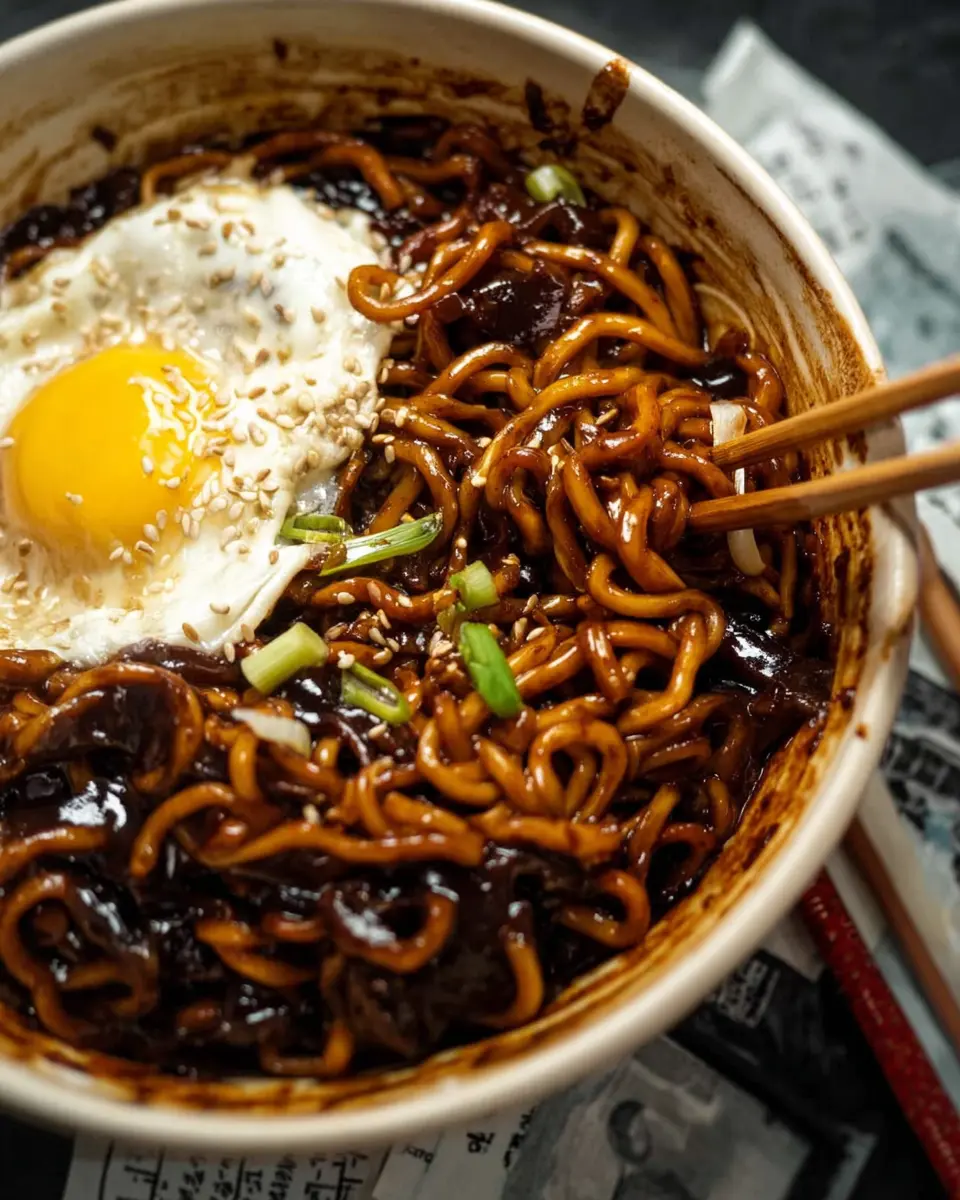
Ingredients for Jajangmyeon
Essential ingredients for making Jajangmyeon
When you’re ready to whip up a delightful jjajangmyeon, start with these core ingredients:
- Noodles: 4 servings, ideally fresh or chewy Korean wheat noodles.
- Vegetables: Chop up ½ onion, ½ zucchini, 1 potato, 1 carrot, and ⅓ daikon for a colorful and nutritious dish.
- Protein: 1.5 lbs of sliced beef adds a rich flavor; feel free to skip it for a vegetarian or vegan version.
- Sauce: ¼ cup of black bean paste is essential for that savory depth.
- Liquid: Use 1.5 cups of chicken stock or water to bring it all together.
- Cornstarch: 1 tablespoon will help thicken your sauce, giving it that perfect consistency.
For more detailed ingredient discussions, check out resources like Serious Eats which delve into ingredient selections.
Optional ingredients for variations
Looking to mix things up? Try adding:
- Protein Alternatives: Chicken ham or turkey bacon can be great substitutes for beef.
- More Vegetables: Bell peppers or mushrooms for added texture and flavor.
- Garnishes: Fresh cucumber slices provide a refreshing crunch on top.
Exploring these options can elevate your jjajangmyeon experience, letting you customize it to your taste preferences!
Step-by-Step Preparation of Jajangmyeon
Creating a delightful dish of jjajangmyeon (Korean black bean noodles) is a process that’s as enjoyable as it is rewarding. Let’s dive into the step-by-step preparation that will have your friends and family begging for seconds!
Gather and Prepare Your Ingredients
The first step is to ensure you have everything you need. Here’s a simple checklist of ingredients:
- 4 servings of noodles
- ½ onion, chopped
- ½ zucchini, chopped
- 1 potato, diced
- 1 carrot, sliced
- ⅓ daikon, chopped
- 1.5 lb beef, sliced (feel free to substitute for turkey bacon or chicken ham if you prefer)
- 3 tablespoon oil
- ¼ cup black bean paste
- 1.5 cups chicken stock or water
- 1 tablespoon cornstarch
- Fresh cucumber for garnish
Preparing all your ingredients ahead of time is crucial. Not only does it streamline the cooking process, but it also makes the experience more enjoyable. Having everything chopped and ready means you can focus on the fun of cooking!
Sauté the Beef and Aromatics
Start by heating a large pan on medium-high heat. Once it’s hot, add your slices of beef, sautéing them for about 3-4 minutes until they are slightly golden brown. The aroma will fill your kitchen—that’s when you know you’re on the right track!
Next, add in the chopped onion. Sauté for another 1-2 minutes until fragrant. The combination of beef and onion lays a wonderful flavor foundation for your jjajangmyeon.
Add Vegetables and Black Bean Paste
With your beef and onion lovingly sautéed, it’s time to introduce the colorful veggies! Toss in the potato, zucchini, carrot, and daikon. Stir the mixture together for 2-3 minutes. This not only cooks the veggies but also enhances their flavors, making your dish even more vibrant.
Now, push the vegetables to the side of the pan to create a little well in the center. Pour your oil and black bean paste into this space. Sauté the paste for about a minute; it helps develop that rich, savory flavor that jjajangmyeon is known for!
Incorporate Chicken Stock or Water
Next, pour in your chicken stock or water. This is where the magic happens! Stir everything together and let it all simmer for 2-3 minutes. During this time, flavors meld, and the delicious aroma will surely have you excited.
Thicken the Sauce and Finalize the Dish
To thicken your rich sauce, combine 1 tablespoon of cornstarch with ¼ cup of cold water and pour this mixture into your pan slowly. Stir continuously, cooking for another 1-2 minutes until your sauce reaches that perfect consistency.
Now, all that’s left is to serve your beautifully prepared jjajangmyeon with freshly sliced cucumbers on top as a garnish. Enjoy this delightful dish—you’ve earned it!
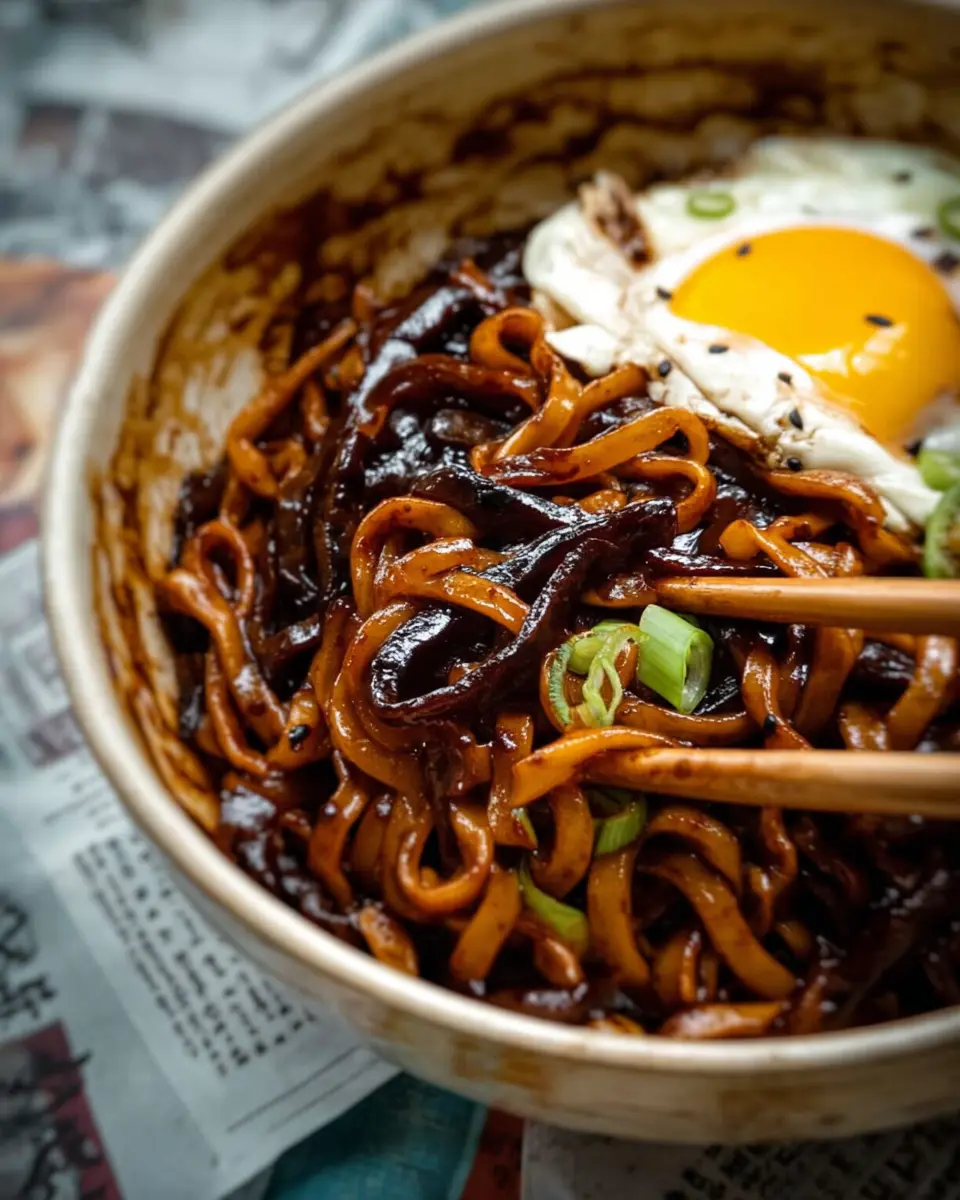
Variations of Jajangmyeon
Vegetarian or Vegan Jajangmyeon
If you're looking for a plant-based twist on traditional jjajangmyeon, you're in luck! Simply skip the beef or any meat, and load your dish up with rich, seasonal vegetables like bell peppers, mushrooms, and spinach. Using vegetable broth instead of chicken stock enhances the flavors while keeping it completely vegan. This version is not only lighter but also packed with nutrients, making it perfect for a cozy dinner at home.
Spicy Jajangmyeon
For those who enjoy a little heat, spicy jjajangmyeon is a must-try! Incorporate gochujang (Korean chili paste) into the black bean sauce, adjusting the amount based on your spice tolerance. Adding sliced green chilies or a sprinkle of crushed red pepper flakes will take your dish to the next level and create a delightful contrast to the savory sweetness of the black bean sauce. This variation adds a zing that’s both exciting and comforting.
Feel free to experiment with these variations to make jjajangmyeon your own!
Cooking Tips and Notes for Jajangmyeon
Tips for perfecting the texture of your noodles
For the ideal jjajangmyeon experience, make sure your noodles are cooked al dente. Follow package instructions, but start checking them a minute or two early. Rinse the noodles in cold water after cooking to halt the cooking process and prevent them from becoming mushy. This little step really enhances the overall texture!
Note on ingredient freshness
Using fresh ingredients is vital for the best flavors in your jjajangmyeon. When shopping for vegetables like zucchini, onion, and potato, look for ones that are firm and vibrant. Fresh ingredients not only taste better but also add nutritional value to your dish. Don’t hesitate to visit your local farmer's market for the freshest produce!
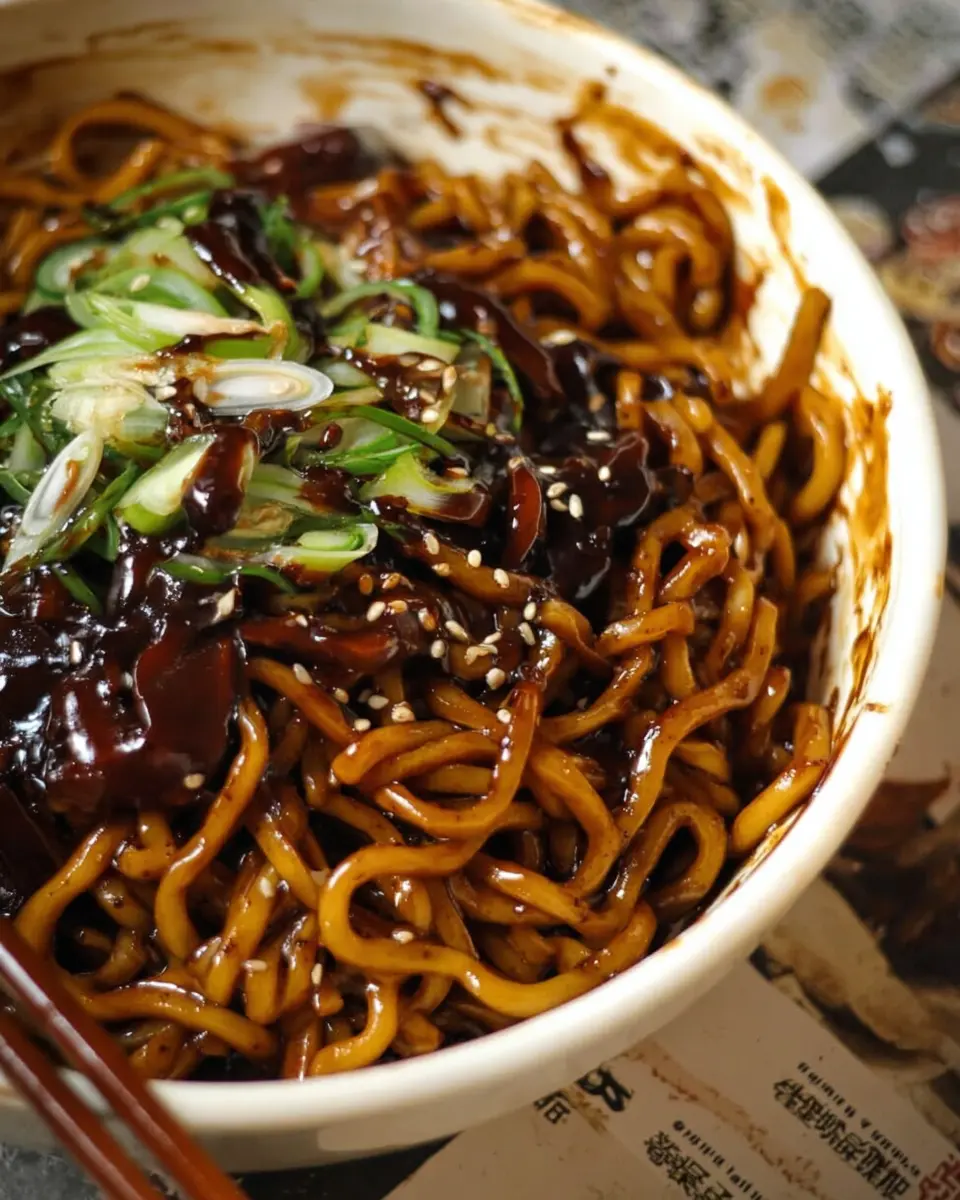
Serving Suggestions for Jajangmyeon
Ideas for Garnishing and Pairing
Elevate your jjajangmyeon experience by garnishing it with julienned cucumber or sliced green onions for crunch and freshness. A sprinkle of sesame seeds adds a nutty flavor, while a drizzle of hot sauce can spice things up.
Pair jjajangmyeon with pickled radish, a popular Korean side that balances the dish’s richness beautifully. For a touch of brightness, consider serving it alongside a light, refreshing salad, such as a simple cucumber salad.
Complete Meal Ideas with Jajangmyeon
To make a complete meal, serve your jjajangmyeon with a protein-rich dish, like Korean-style grilled chicken or tofu, providing a satisfying contrast to the noodles. Alternatively, enjoy it with a bowl of miso soup or a vegetable dumpling platter. You can also explore pairings with savory Korean pancakes (jeon) for a fun twist!
Creating a full meal around jjajangmyeon is not only easy but also makes for a delightful dining experience that can impress your friends and family. Enjoy your culinary adventure!
Time Breakdown for Jajangmyeon
Preparation Time
Spend about 10 minutes gathering ingredients and chopping up your vegetables. This step is essential as it sets you up for a smooth cooking process. Don’t worry, it’s relatively quick and a lot of fun!
Cooking Time
Once you're prepped, the cooking will take approximately 20 minutes. You’ll be sautéing and simmering, filling your kitchen with the fragrant aroma of jjajangmyeon.
Total Time
In just 30 minutes, you can have a delicious bowl of jjajangmyeon on your table, ready to enjoy! It’s perfect for a busy weeknight dinner or a cozy weekend meal. For more cooking tips, check out Serious Eats.
Nutritional Facts for Jajangmyeon
When it comes to enjoying a bowl of jjajangmyeon, it's helpful to know what you're getting in terms of nutrition. Here are some key highlights:
Calories
Each serving of jjajangmyeon contains approximately 1,109 calories. This makes it a hearty option, perfect for a filling dinner after a long day.
Protein Content
Packed with flavor, jjajangmyeon offers about 22 grams of protein per serving, especially if you include beef or tofu. Protein is essential for muscle repair and energy.
Sodium Levels
However, be mindful of sodium; this dish contains about 593 milligrams of sodium per serving. Moderating your intake can help maintain a balanced diet.
For more detailed nutritional insights, you can check resources like the USDA FoodData Central to explore how these values align with your dietary needs. Enjoy your cooking!
FAQs about Jajangmyeon
Can I make Jajangmyeon without black bean paste?
While black bean paste is the star ingredient that gives jajangmyeon its signature flavor, you can experiment with alternatives. Consider using miso or a mix of soy sauce and hoisin as a base, but keep in mind that the taste will differ significantly. For the best results, it's wise to source authentic black bean paste from an Asian grocery store.
How do I store leftover Jajangmyeon?
Storing leftover jajangmyeon is a breeze! Pack it in an airtight container and refrigerate; it should last for about three days. When reheating, add a splash of water to prevent the noodles from drying out, and microwave until heated through. You can also try frying it briefly on the stove for a fresh touch!
What noodles are best for Jajangmyeon?
For jajangmyeon, the ideal noodles are thick wheat noodles, specifically suited for stir-frying. You can find them at Asian markets or use spaghetti as a substitute in a pinch. Just make sure to cook them al dente to maintain that delightful chewy texture. For more information on noodles, check out this guide on Korean noodle types.
Conclusion on Jajangmyeon
In conclusion, jjajangmyeon is more than just a dish—it's a comforting experience that brings the flavors of Korea right to your kitchen. With its rich black bean sauce and hearty vegetables, this easy-to-make recipe is perfect for busy weeknights. So, gather your ingredients and enjoy this delightful meal today!
Jjajangmyeon – Sweet And Savory Korean Black Bean Sauce Noodles
Equipment
- Large Pan
Ingredients
- 4 servings Noodles [Noodles](https://amzn.to/3yX9WRH)
- 0.5 medium Onion chopped
- 0.5 medium Zucchini chopped
- 1 medium Potato chopped
- 1 medium Carrot chopped
- 0.33 medium Daikon chopped
- 1.5 lb Pork Belly sliced, omit for vegetarian or vegan version
- 3 tablespoon Oil
- 0.25 cup Black Bean Paste
- 1.5 cup Chicken Stock or Water
- 1 tablespoon Corn Starch [Corn Starch](https://amzn.to/45zPyV8)
- Cucumber for garnish
Instructions
- Turn the heat up to medium-high, and once the pan is hot, add pork belly to a large pan. Saute the pork belly for 3-4 minutes or until slightly golden brown.
- Next, add onion and saute for 1-2 minutes or until fragrant.
- Add potato, zucchini, carrot, and daikon and saute together for another 2-3 minutes.
- Push the vegetables to the side and form a circle in the middle. Add in oil and black bean paste and saute for black bean for 1 minute, then saute everything together.
- Pour in water or chicken stock and let it simmer for 2-3 minutes.
- Mix ¼ cup of cold water and 1 tablespoon cornstarch together, slowly pour it into the pan, and cook for another 1-2 minutes.
- Serve with your favorite noodle with freshly sliced cucumbers.


Leave a Reply