
Introduction to French Bread Recipe
Why Homemade French Bread Is a Game Changer
There's something absolutely magical about the aroma of freshly baked bread wafting through your home. Making your own French bread is not just an enjoyable cooking experience; it's a delightful way to elevate your meals and impress your guests. Unlike store-bought options, which often contain preservatives and additives, a homemade French bread recipe gives you complete control over the ingredients. Imagine slicing into a warm loaf, its crispy, golden crust giving way to a pillowy interior—what's not to love?
But beyond its delightful taste and texture, baking at home allows you to customize your bread to suit your preferences. Want a crustier exterior? Bake it longer. Prefer a softer loaf? Adjust your technique slightly. Not only does that creativity make the process fun, but it also transforms simple sandwiches or bruschetta into something extraordinary.
For tips on mastering the art of French bread, check out King Arthur Baking for professional guidance, or head to Serious Eats for in-depth techniques. Join me on this bread-making journey and discover just how rewarding it can be!
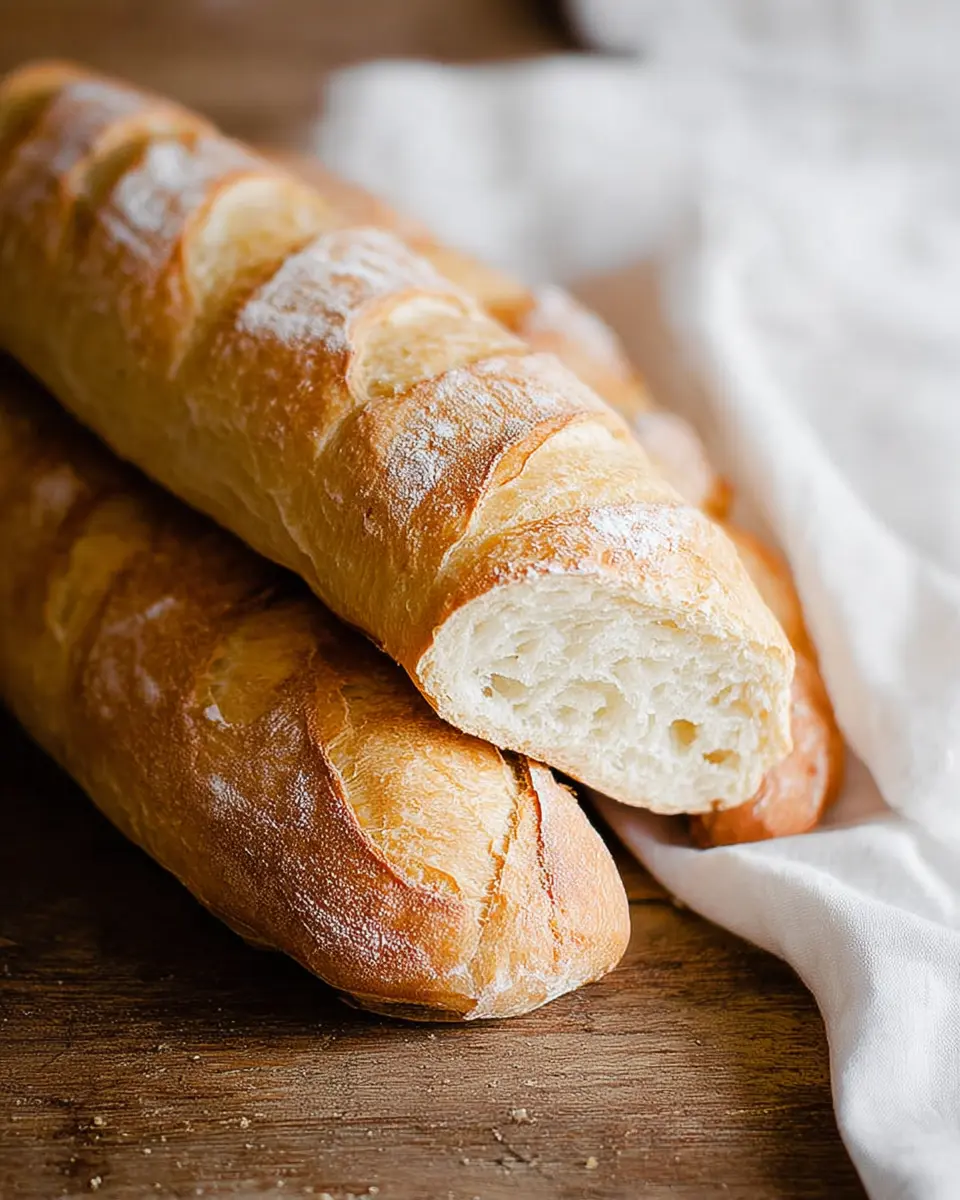
Ingredients for French Bread Recipe
Essential ingredients for a perfect loaf
Creating the perfect French bread requires just a handful of essential ingredients. You’ll need:
- Warm water: 2 ¼ cups at 112° to 115° for activating the yeast.
- Sugar: 2 teaspoons to feed the yeast and enhance browning.
- Active yeast: 1 packet for that lovely rise.
- Sea salt: 2 teaspoons for flavor—don’t skip this!
- Unsalted butter: 2 teaspoons, softened for added richness.
- Bread flour: 5 cups, giving your bread its iconic chewy texture.
These ingredients form the backbone of any great French bread recipe, ensuring a light, fluffy inside and a golden crust that’s hard to resist.
Optional ingredients for variations
Want to add some flair to your bread? Consider these optional ingredients:
- Herbs: Dried rosemary or thyme can give your bread a delightful aroma.
- Garlic: Minced garlic or garlic powder for a savory twist.
- Cheese: Grated Parmesan or cheddar for a cheesy delight.
- Seeds: Top your loaves with sesame or poppy seeds before baking for added crunch.
Exploring these variations can help you create a bread that perfectly fits any meal or occasion. For more tips on enhancing your bread-making, check out BBC Good Food for inspiration!
Step-by-step Preparation of French Bread
Creating a homemade French bread is easier and more rewarding than you might think! Follow these simple steps to achieve that perfect crust and airy inside everyone loves.
Activating the yeast mixture
Start by adding ½ of the warm water (between 112° and 115°F) to the bowl of a stand mixer. Sprinkle in 2 teaspoons of sugar followed by 1 packet of active yeast (about 2 ¼ teaspoons). Whisk it all together and let it stand for 5 to 7 minutes. You'll notice a frothy layer, which means your yeast is alive and ready to work its magic! If you're using instant yeast, you can skip this step, as no waiting is needed.
Mixing the dough
Once your yeast is activated, pour in the remaining warm water, along with 2 teaspoons of sea salt, 2 teaspoons of softened unsalted butter, and 5 cups of bread flour. Mix the ingredients on low speed until combined. It’s okay if the dough looks a touch sticky; that’s normal!
Kneading it to perfection
Now for the edge-of-your-seat part—kneading! Attach your dough hook and knead for about 8 to 10 minutes at medium speed. This develops the gluten, which is essential for that airy structure. If you're up for a little arm workout, you can also knead by hand on a floured surface for the same amount of time.
The first proofing
After kneading, remove the bowl from the mixer, cover it with plastic wrap, and place it in a warm spot in your kitchen for about 90 minutes. You'll know it's ready when the dough has roughly doubled in size.
Shaping the dough for French bread
Punch down the dough gently to release excess air and flour a clean surface. Form it into a large ball, then cut it into 3 or 4 equal parts depending on your preferred loaf size. Shape each piece into an oval, folding one-third up, then the other, pinching the seams together as you go. Roll out your dough into a tapered shape.
The second proofing
Place your shaped loaves on a sheet tray lined with parchment paper and cover them again with plastic wrap. Let them proof for another 60 minutes in a warm area. This is a great time to preheat your oven to 425°F while you wait.
Scoring the dough
Right before baking, use a sharp knife or razor to make three long slashes on each loaf, being careful not to deflate them. This scoring helps the bread expand beautifully in the oven.
Baking the French bread
Finally, place your loaves in the oven, ideally on the middle rack, for 22 to 25 minutes or until they are golden brown and sound hollow when tapped. Consider placing a pan of water on the bottom rack while baking to create steam, resulting in a perfect crust. Let your bread cool at room temperature before slicing—enjoy!
Now you're ready to impress friends and family with your delicious homemade French bread. Happy baking! For more expert tips, check out resources like the King Arthur Baking Company's guide!
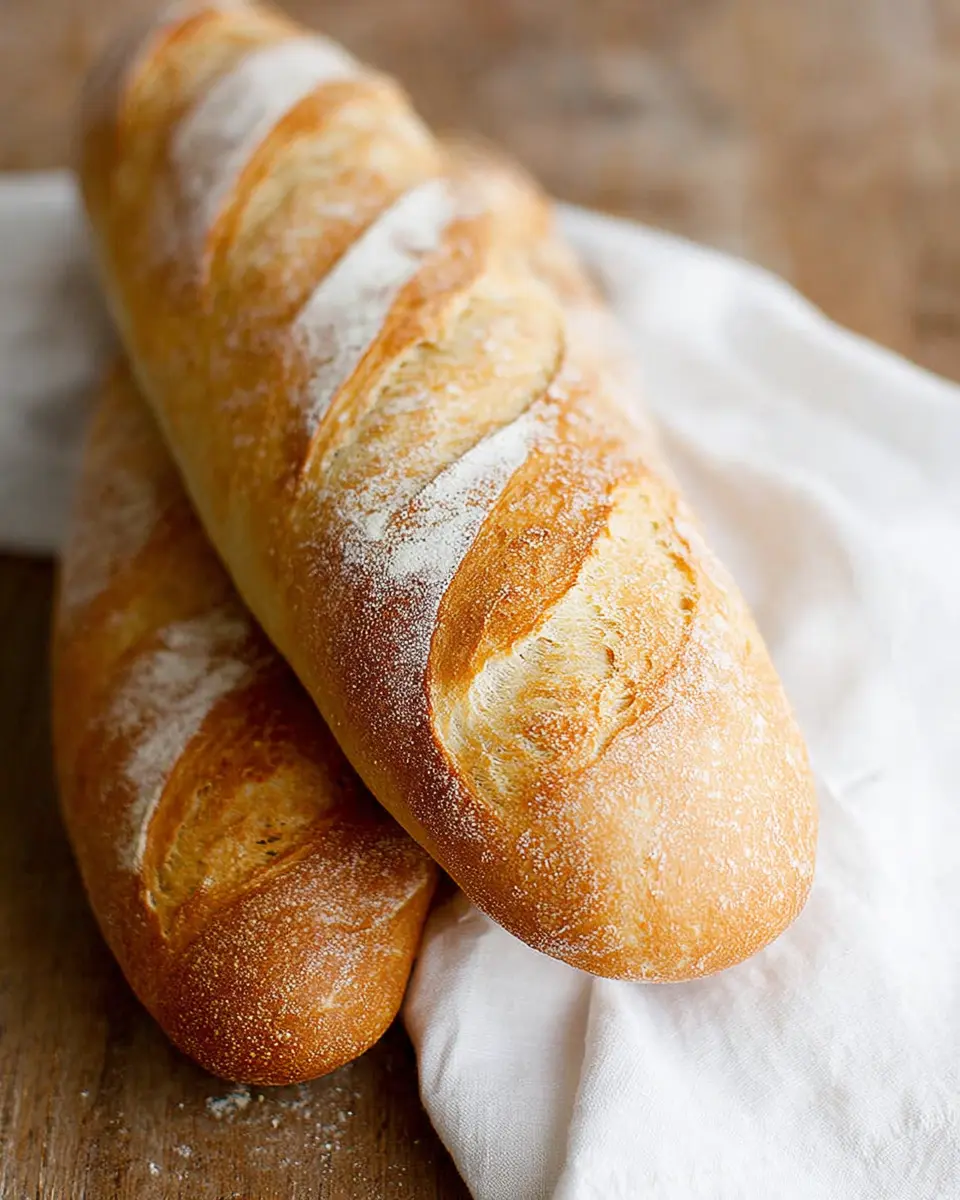
Variations on the Classic French Bread
Looking to shake up your traditional French bread recipe? Here are two delightful variations that will add an exciting twist to your homemade baking:
Herbed French Bread
Enhance the classic flavor by incorporating fresh herbs into your dough. Consider using rosemary, thyme, or basil—the aroma is heavenly! Simply mix in 1 to 2 tablespoons of your favorite minced herbs during the initial mixing stage. This herbed twist pairs wonderfully with salads and soups, offering a deliciously fragrant option for your meals.
Whole Grain French Bread
Want a more nutritious take? Try making whole grain French bread! Substitute half of the bread flour with whole wheat flour for added fiber and a heartier texture. This variation not only boosts nutrition but also delivers a nutty flavor that complements various spreads, from avocado to almond butter.
Explore these variations to keep your French bread recipe fresh and exciting! Interested in more tips? Check out our recommendations on baking with whole grains.
Cooking Tips and Notes for French Bread
Elevating your bread-baking experience
To really enhance your French bread recipe, consider using a hot water bath or placing a shallow pan of water in the oven while baking. This creates steam, helping your crust achieve that coveted golden, crispy exterior. Additionally, if you’re struggling with dough consistency, don’t hesitate to adjust your flour measurements slightly—humidity can vary and affect the final result.
Common pitfalls and how to avoid them
One common mistake is not allowing the dough enough time to proof. Always give it at least 90 minutes to rise in a warm spot for optimal flavor and texture. If the dough feels overly sticky, resist the urge to add too much flour; a little stickiness can lead to a lighter loaf. Remember, practice makes perfect—everyone has had a few loaf flops along the way! For more tips, check out resources like King Arthur Baking or America's Test Kitchen.
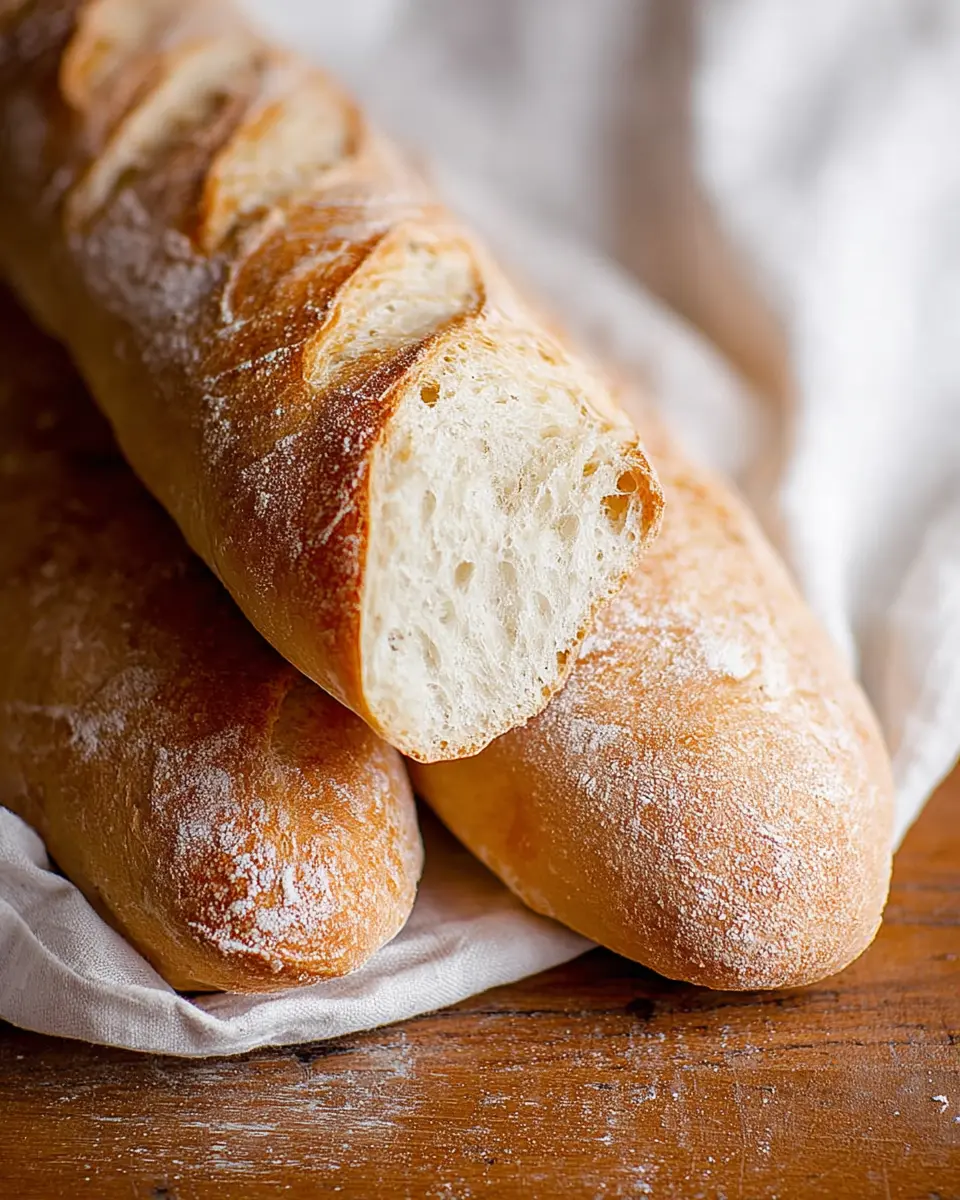
Serving Suggestions for French Bread
Enjoying it fresh out of the oven
There's nothing quite like pulling a loaf of French bread out of the oven. The warm, crusty exterior and the soft, airy interior create a delightful textural contrast. Enjoy your French bread recipe fresh, perhaps slathered with a bit of butter or a drizzle of olive oil. You might even consider dipping it into a savory broth or your favorite soup for a cozy meal.
Perfect pairings for your homemade French bread
When planning meals, think of the complementary flavors that pair beautifully with your French bread. Here are some ideas:
- Spreads: Try herbed goat cheese or avocado for a creamy touch.
- Proteins: Enjoy slices with turkey bacon or chicken ham for a heartier option.
- Soups and Salads: Serve alongside a fresh salad or a bowl of tomato bisque.
- Cheese: A cheese platter featuring brie or gruyere can elevate your bread experience.
Feel free to mix and match these suggestions for a delightful culinary experience. For more inspiration, check out Chef’s Table for their extensive tips on pairing bread with meals!
Time Breakdown for French Bread Recipe
When you embark on your French bread recipe journey, understanding the time commitment can help you plan your baking extravaganza! Here's a quick breakdown:
Preparation Time
Set aside about 25 minutes for mixing, kneading, and shaping your dough. It’s a great time to warm up with your favorite cooking playlist!
Proofing Time
Allow your dough to rise for 2 hours and 30 minutes. This step is crucial for that light and airy texture. You can sneak in a quick break, or catch up on a show while it proofs.
Baking Time
The actual baking takes about 25 minutes. As the aroma fills your kitchen, you’ll be counting down the moments until you can enjoy that fresh loaf!
Total Time
In total, you're looking at around 3 hours and 20 minutes (which includes all active and passive times). Patience will be your best friend here, but trust us, the results are well worth it!
Nutritional Facts for French Bread
Calories
A slice of French bread recipe provides approximately 286 calories, making it a satisfying yet light addition to your meals.
Protein
Packed with 9 grams of protein per serving, this bread supports muscle health while still being a delightful treat.
Sodium
Containing about 586 mg of sodium, it's deliciously seasoned without overwhelming your diet. To learn more about managing sodium intake, check out Mayo Clinic’s guidelines.
FAQs about French Bread Recipe
Can I use all-purpose flour instead of bread flour?
Absolutely! While bread flour is ideal due to its higher protein content, you can substitute all-purpose flour for a slightly different texture. The bread may be less chewy and a bit softer but will still be delicious. If you want to keep the flavor robust, consider a mix of both flours.
How can I keep my French bread fresh?
To keep your homemade French bread fresh, store it at room temperature in a bread box or a cloth bag for up to three days. If you need it to last longer, wrap it in plastic wrap or aluminum foil and pop it in the freezer for up to six months. Just make sure to thaw it gently at room temperature to maintain its texture.
What do I do if my dough doesn’t rise?
If your dough fails to rise, don’t panic! First, check if your yeast is fresh by testing it in warm water with sugar; it should foam after a few minutes. If the environment is too cold, it may need a warmer spot—consider placing it in an oven with just the light on for warmth. Consult resources like King Arthur Baking for tips on yeast troubleshooting.
Conclusion on French Bread Recipe
Embracing the joy of homemade bread
Baking your own bread, especially with this French bread recipe, is an incredibly rewarding experience. The aroma wafting through your kitchen and the satisfaction of pulling fresh loaves from the oven is unparalleled. Perfect for sandwiches or simply enjoyed with butter, this recipe invites you to share moments around the table. Embrace the process, and let each loaf bring your family closer together. Happy baking!
Consider exploring more baking tips and tricks here to enhance your culinary adventures.
French Bread Recipe
Equipment
- Stand Mixer
- Oven
- baking sheet
- Plastic Wrap
Ingredients
Wet Ingredients
- 2 ¼ cups warm water 112° to 115°
- 2 teaspoons sugar
- 1 packet active yeast
- 2 teaspoons sea salt
- 2 teaspoons softened unsalted butter
Dry Ingredients
- 5 cups bread flour
Instructions
Preparation
- Add ½ of the water to the bowl of a stand mixer along with the sugar and yeast.
- Whisk until combined, and then let it stand for 5 to 7 minutes.
- If you are using active yeast, a raft should form on the top. If you are using instant yeast, then there is no need to wait for the raft.
- Add in the rest of the water, salt, butter, and flour.
- Knead with a stand mixer using the dough hook for 8 to 10 minutes. It’s ok if the dough seems a little sticky.
- Remove the bowl, cover it with plastic wrap, and place it in a warm place for 90 minutes or until it’s doubled in size.
- Take off the plastic, and punch down the dough to its original size. If it’s stuck, dust it with some flour.
- Knead the dough on a clean, floured surface for 1 to 2 minutes.
- Form the dough into a large ball by cupping around the dough into the bottom.
- Cut the dough into 4 equal parts. If you want larger thicker French bread, cut it into 3 equal parts.
- Press down 1 of the doughs until it forms the shape of an oval.
- Fold the dough up by ⅓.
- Fold it up again by ⅓ meeting at the seam.
- Pinch the seams with your fingertips until they are shut.
- Roll the dough out until it is roughly 12 to 16 inches long and tapered at the ends.
- Place it on a sheet tray lined with parchment paper and cover it with plastic wrap.
- Proof for 60 minutes in a warm place.
- Preheat the oven to 425° and place a pan filled with water on the bottom rack.
- Remove the plastic and cut 3 long slices on a bias using a sharp knife or razor. For an extra crisp crust, you can spray or brush the tops with water.
- Bake in the oven on the middle rack at 425° for 22 to 25 minutes or until browned on top and cooked through.
- Cool to room temperature. Slice and serve.


Leave a Reply